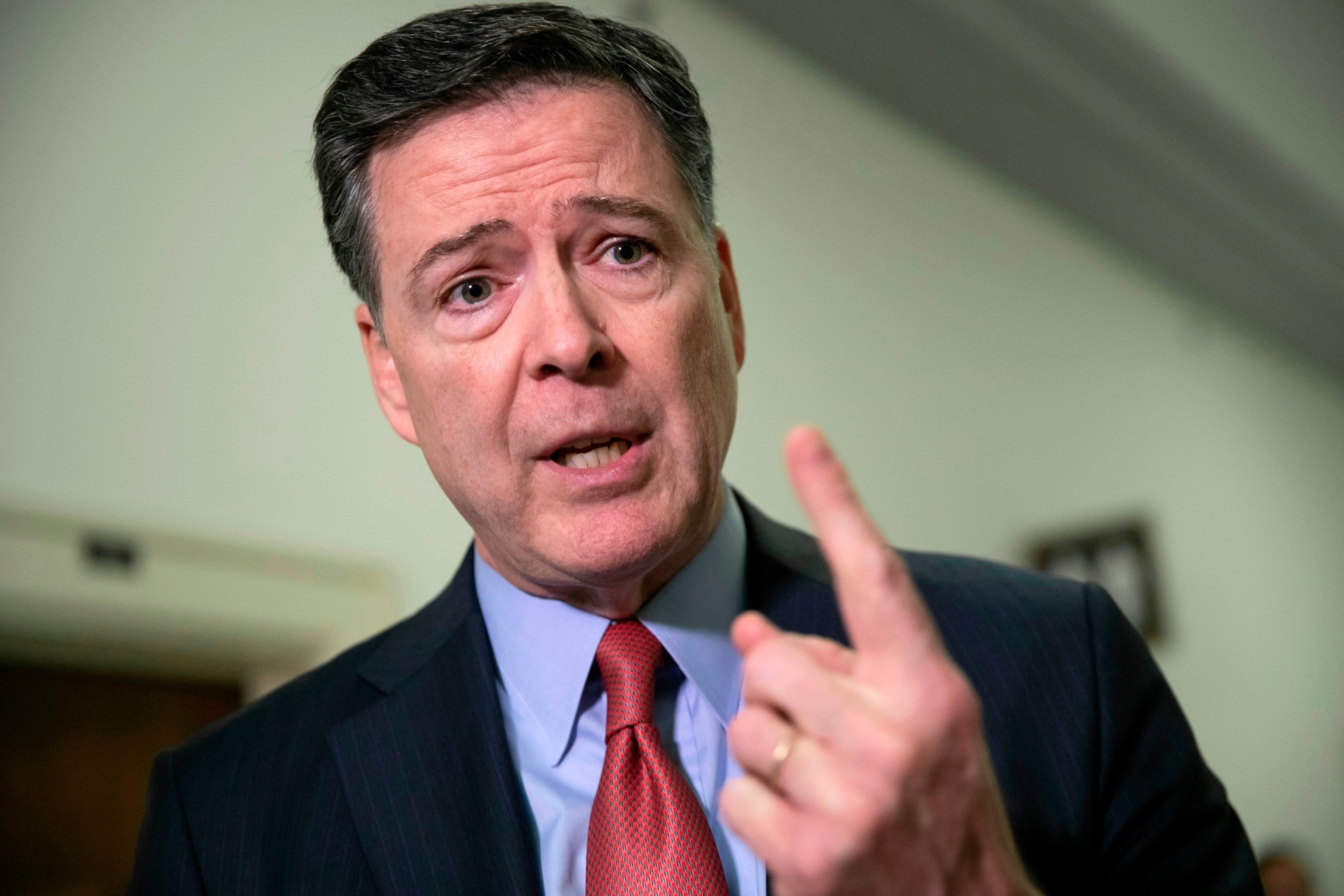
Ukrainian President Volodymyr Zelenskyy and Israeli Prime Minister Benjamin Netanyahu will be angling for President Donald Trump’s ear as both wartime leaders are set to meet with Trump at the White House Tuesday amid global conflict in the Middle East and Ukraine.Â
Zelenskyy and Netanyahu are expected to meet with Trump in addition to attending the funeral of the late Sen. Lindsey Graham, who died suddenly earlier this month.Â
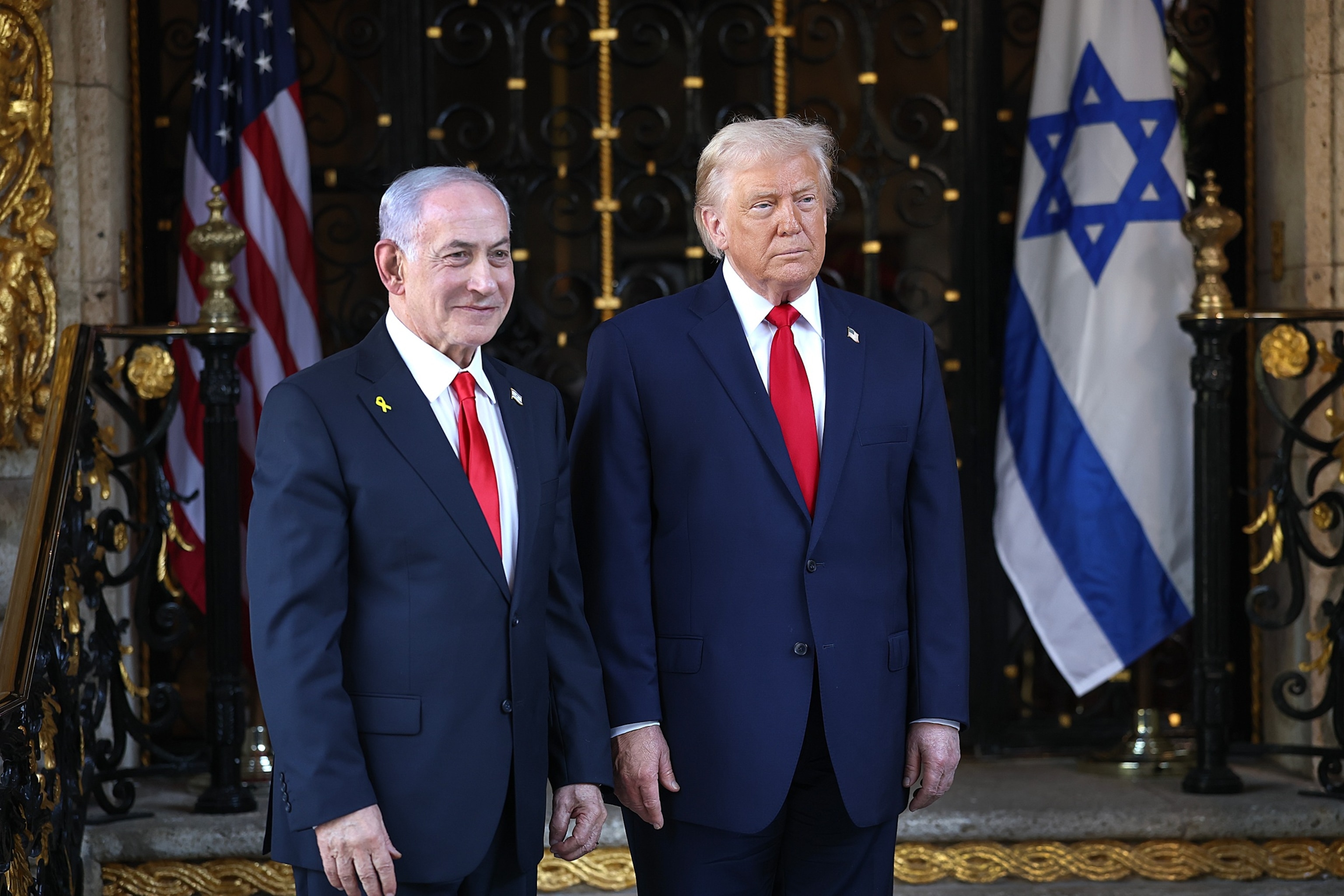
President Donald Trump welcomes Israeli Prime Minister Benjamin Netanyahu to his Mar-a-Lago club, Dec. 29, 2025, in Palm Beach, Fla.
Joe Raedle/Getty Images
Their expected meetings with Trump give both leaders a chance to push their agendas with the president at a time when U.S. policy towards Iran and the Russia-Ukraine war continues to be in flux.Â
Graham was a staunch supporter of Israel and was highly critical of Iran. He also met with Zelenskyy in Kyiv the day before his death and had been in the process of advancing a Senate bill to strengthen sanctions on Russia.
Netanyahu faces a delicate balancing actÂ
Netanyahu last came to Washington to meet with Trump in February, days before the U.S. entered into a months-long conflict with Iran. Tuesday officially marks five months of the war.Â
During the Tuesday meeting, Netanyahu plans to discuss Israel’s security and strength with Trump, he wrote in an X post on Monday.
“Our goal is clear: to safeguard Israel’s security, strengthen its power, and expand the circle of peace around us,” he said in his post. He also wrote that he will pay his respects to Graham during his visit, who he described as a “true friend.”
Trump and Netanyahu had been in lockstep since Trump began his second term, but in recent weeks tensions between the two had considerably risen, with Trump calling the Israeli leader “crazy” and declaring: “Without me, there would be no Israel.”
Netanyahu was believed to have not been consulted on the U.S.’ memorandum of understanding struck with Iran that instituted a 60-day ceasefire during which Iran would reopen the strategically vital Strait of Hormuz, Israeli and U.S. officials confirmed to ABC News. .Â
Israeli officials had also expressed consternation over the Trump administration’s plans to sign a nuclear energy deal with Saudi Arabia and a potential sale of F-35 fighter jets to Turkey.Â
“Nobody tells me what we should be selling,” Trump told reporters aboard Air Force One on Monday, referring to Netanyahu’s concerns.Â
When asked by reporters on Monday why he is meeting with Netanyahu and if they are aligned on the Iran war, Trump said, “We have a little difference, but pretty close.”
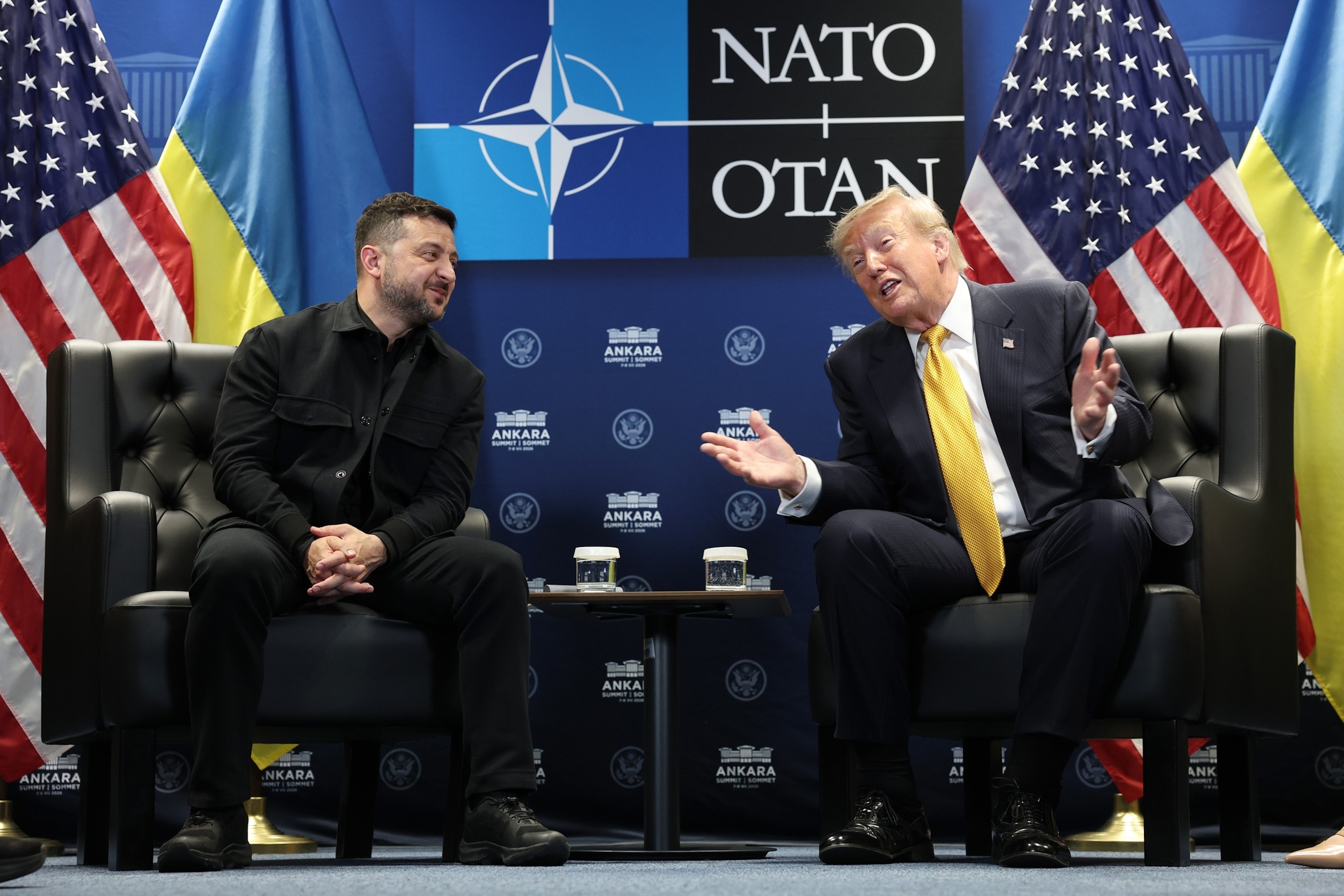
President Donald Trump meets with Volodymyr Zelenskyy, President of Ukraine for bilateral talks at Bestepe Presidential Compound during the NATO Summit, July 8, 2026, in Ankara, Turkey.
Win Mcnamee/Getty Images
Zelenskyy seeks end to Russia’s incursion
Zelenskyy and Trump last met on the sidelines of the NATO summit in Ankara, Turkey, earlier this month and the two are expected to meet Tuesday to continue discussions on finding a pathway to ending the multiyear war with Russia.Â
In recent weeks, Zelenskyy has called for diplomatic efforts to ‌ensure Kyiv can secure weapons and missiles more quickly amid a shortage that has left it exposed to Russian attacks.
During the Turkey summit, Trump announced that the U.S. would grant Ukraine a license to manufacture Patriot missile interceptors in a boost to Ukraine, which has long sought permission to produce the defensive weapons.
Discussions on Ukraine’s dwindling weapons stockpile comes as sources confirmed to ABC News that top national security officials discussed the impact a major escalation in the U.S. and Iran conflict could have on the Pentagon’s depleting stockpiles of air defense interceptors, including Patriots.
Trump rejected reports that the U.S. military is facing shortages of missile interceptors and blamed the previous Biden administration for sending large amounts of weapons to Ukraine.
Asked about reports that U.S. stocks of certain munitions had declined, Trump said the country has “a lot of ammunition, different types.â€
“Biden gave a lot to Ukraine, and so we're building that up. But we have a lot. We have a lot of the mid-level stuff too. I mean, more than we could ever use,†Trump told reporters on Air Force One on Monday.Â
“I’d like to have more, to be honest. But so much was given to Ukraine by Biden,†he added.
The war entered a new phase over the weekend with Zelenskyy announcing his country's forces struck targets in the Caspian Sea “including vessels used in military cargo shipments involving Iran” and a Russian warship.
Iran's Foreign Minister Abbas Araghchi said the deadly attack “cannot go unanswered,” calling it a violation of the United Nations charter.
Zelenskyy accused Russia of helping Iran target U.S. military bases in the Middle East through satellite surveillance. Trump said he would ask Russian President Vladimir Putin directly about the allegations.
“I’ll ask Putin about it. We’ll find out,” Trump told reporters Monday, while insisting any such assistance “hasn’t had much impact because we’ve knocked the hell out of” Iran.Â
Zelenskyy said that since the beginning of July, Ukraine had recorded Russian satellite surveillance of Arab Gulf allies and U.S. military facilities in the region.
He alleged that “there is a clear correlation between Russia’s satellite imagery of these sites and Iranian strikes — both before the attacks, in preparation for them, and afterward, to assess the damage inflicted.”
The White House did not respond to questions about Ukraine’s allegations or whether they had received the Ukrainian intelligence Zelenskyy cited.Â
Trump insisted Friday that he trusted that Putin and Chinese President Xi Jinping were not helping Iran in any “major” way.
During Trump’s first term, he dismissed concerns raised by U.S. intelligence officials who had concluded the Kremlin's military intelligence unit offered to pay Taliban-linked militants in Afghanistan to kill American troops and other coalition forces there.
Trump at the time acknowledged that he did not raise reports of Russian bounties on American troops during his communications with Putin and called the concerns a “media fabrication” and a “hoax.”Â
Pentagon officials later concluded that U.S. military intelligence was unable to definitively corroborate the claims.Â