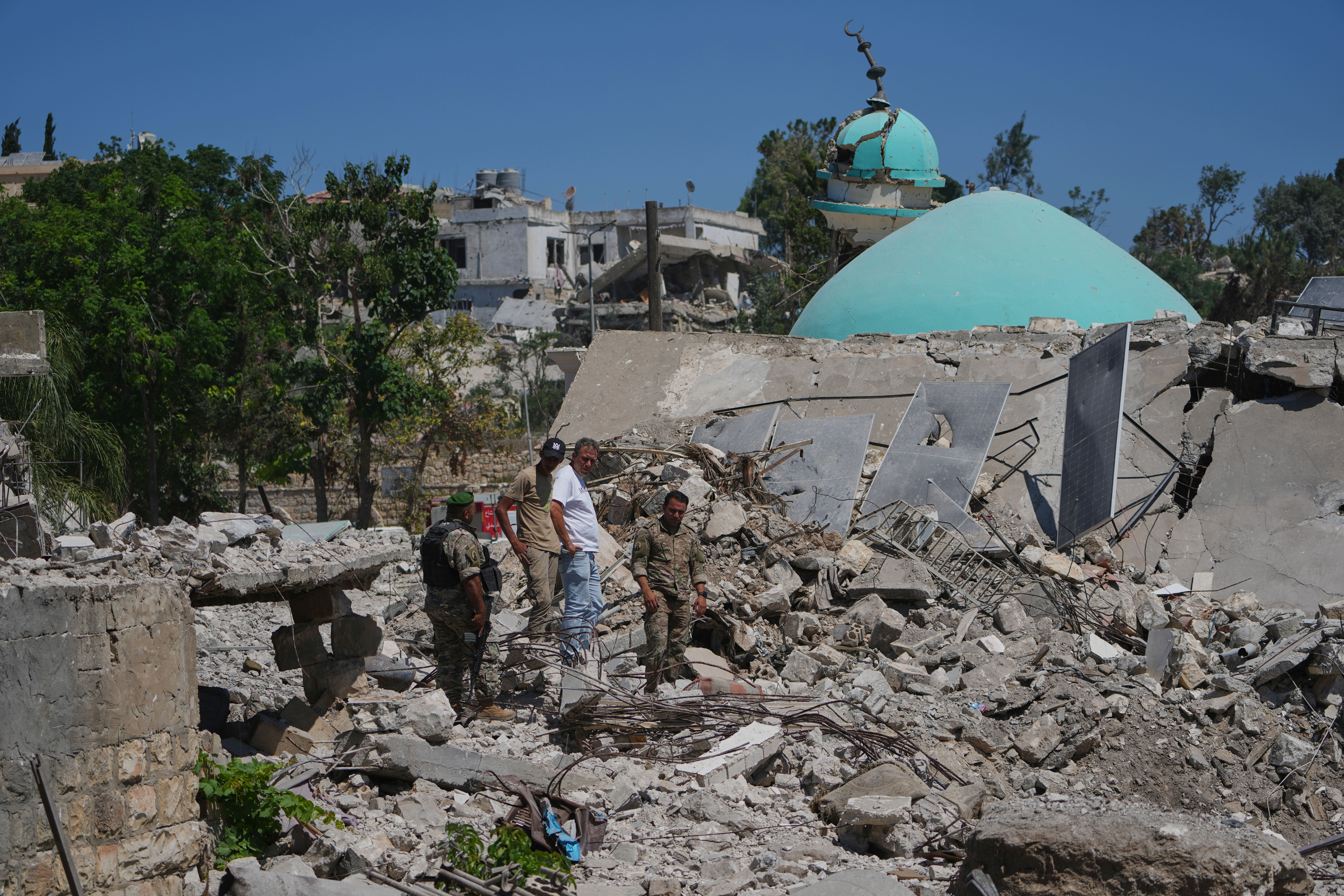
Iran War costs hit $37.5 billion. How it compares with past American wars
Defense Secretary Pete Hegseth says the war with Iran has already cost an estimated $37.5 billion.

NEW YORK —
As the U.S. war with Iran surpasses its fifth month, costs are starting to rack up. Defense Secretary Pete Hegseth told the Senate Appropriations Committee on July 21 that the war with Iran has cost an estimated $37.5 billion, up from around $29 billion in early May. And Hegseth has requested billions more to keep the operation going.
What was the cost of previous US wars?
The Get the Facts Data Team analyzed government documents and reports to determine where Iran stands in five months compared to America’s history of wars — some of which spanned a decade or more.
World War II was the most costly major U.S. war, costing $296 billion at the time — equivalent to $6.09 trillion in 2026, according to data from the Congressional Research Service. This estimated cost is based on military operations only and does not reflect costs of veterans' benefits, interest on war-related debt or assistance to allies.
Among the next costliest conflicts were three of the longest wars the U.S. waged: the Afghanistan War, the Vietnam War and the Iraq War. Each cost more than $1 trillion in today's dollars.
Data from a Congressional Research Service report in 2010 provided an estimate of the costs of major U.S. wars from the American Revolution in 1775 through the Afghanistan War. Full estimates of the cost of recent U.S. wars in Iraq, Afghanistan, Iran, and the Caribbean and Eastern Pacific are taken from reports by the Department of Defense.
The $815 billion spent for the Iraq War from 2002 to 2011 — equivalent to $1.16 trillion today — is based on Congress-approved appropriations, which included military operations, base support, weapons maintenance, training of Afghan and Iraqi security forces, reconstruction, foreign aid, embassy costs, and veterans' healthcare for war operations initiated since the 9/11 attacks.
How does the Iran War compare with other wars in average annual spending?
In five months, the war in Iran has cost an estimated $37.5 billion in taxpayer dollars, nearly matching the average annual cost of the Afghanistan War. That war, which spanned 20 years, cost an average of $52.4 billion each year according to the Department of War Comptroller report. Average annual costs are adjusted to 2026 dollars.
Compared with other wars that have lasted around a year or less, the war in Iran outpaces their spending. This includes the Spanish-American War, which cost an annual average of $13.4 billion, and the ongoing Caribbean and Eastern Pacific war, which costs an annual average of $647 million.
The Persian Gulf War of 1991 is an exception. It was a U.S.-led conflict involving a coalition of 34 countries and cost $151.4 billion in today's dollars over seven months.
How has the Iran War affected consumer cost?
Aside from military costs, the cost of the war in Iran is most evident at the gas pump. During the monthslong war, consumers have seen average gas prices soar to as high as $5.69 for diesel and $4.56 for regular gas from $3.54 for diesel and $2.81 for regular gas at the start of the year.
Americans use about 374.05 million gallons of gasoline per day, according to the U.S. Energy Information Administration. At the peak in May, with a regular gas price of $4.56 per gallon, Americans spent an estimated $1.7 billion per day.
On July 21, Defense Secretary Pete Hegseth asked the Senate Appropriations Committee to approve an emergency supplemental package, which includes a $67 billion budget for the Department of Defense.
A day later, the House approved a $95 billion supplemental budget package containing Pentagon funding for the war plus other administration priorities, including millions for farmers impacted by tariffs. The Senate would also need to approve the spending.
PHNjcmlwdCB0eXBlPSJ0ZXh0L2phdmFzY3JpcHQiPiFmdW5jdGlvbigpeyJ1c2Ugc3RyaWN0Ijt3aW5kb3cuYWRkRXZlbnRMaXN0ZW5lcigibWVzc2FnZSIsKGZ1bmN0aW9uKGUpe2lmKHZvaWQgMCE9PWUuZGF0YVsiZGF0YXdyYXBwZXItaGVpZ2h0Il0pe3ZhciB0PWRvY3VtZW50LnF1ZXJ5U2VsZWN0b3JBbGwoImlmcmFtZSIpO2Zvcih2YXIgYSBpbiBlLmRhdGFbImRhdGF3cmFwcGVyLWhlaWdodCJdKWZvcih2YXIgcj0wO3I8dC5sZW5ndGg7cisrKXtpZih0W3JdLmNvbnRlbnRXaW5kb3c9PT1lLnNvdXJjZSl0W3JdLnN0eWxlLmhlaWdodD1lLmRhdGFbImRhdGF3cmFwcGVyLWhlaWdodCJdW2FdKyJweCJ9fX0pKX0oKTs8L3NjcmlwdD4K