- The shift toward disarmament: structural transitions of the PKK and YPG
- Regional expansion: the Iranian front and transnational risks
- Institutional fragility and the limits of negotiated peace
The regional security architecture across the Turkish-Syrian border area underwent a radical transformation in late 2024 following the collapse of Bashar al-Assad’s regime. This power vacuum accelerated a strategic pivot by Kurdish armed factions—a vital security priority for Turkey that heavily shapes foreign policy coordinated by the Ministry of Foreign Affairs of the Republic of Türkiye and frequently influences its domestic political landscape.
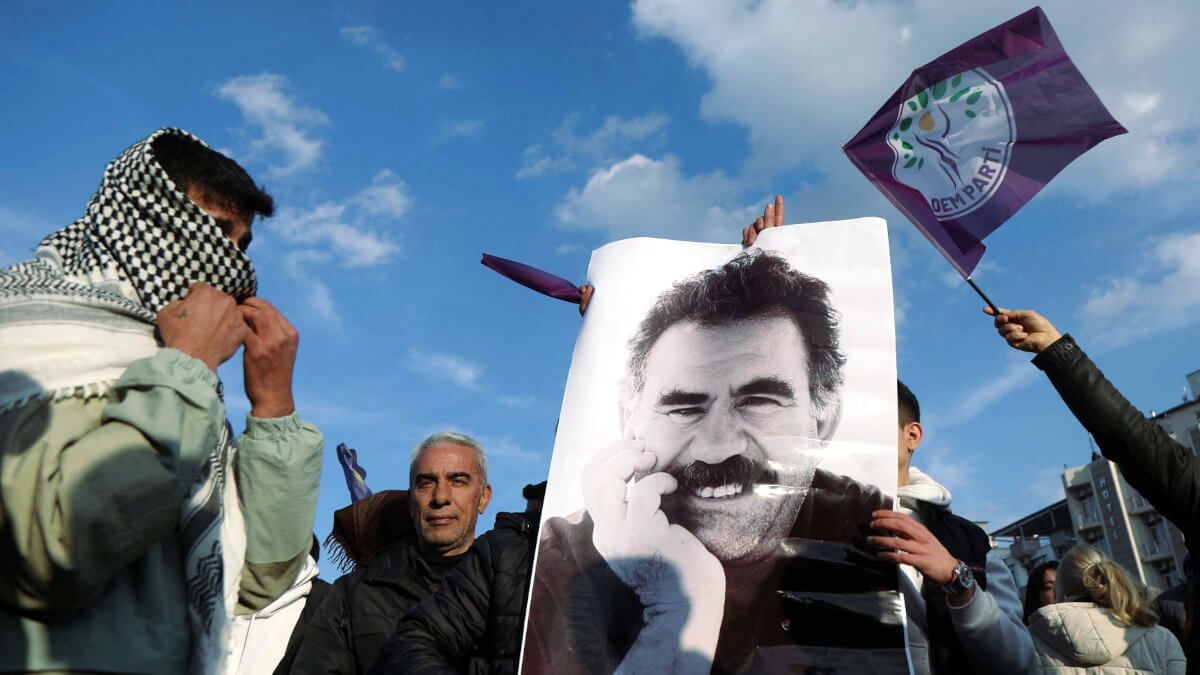
In February 2025, Abdullah Öcalan issued a directive declaring armed struggle obsolete, leading to a formal leadership council vote by the Kurdistan Workers’ Party (PKK) in favour of its dissolution in May 2025.
In early 2026, the operational theatre shifted toward the “Iranian front”, where a unified Kurdish coalition launched a significant military campaign against the Islamic Republic, backed implicitly by the US Department of Defense (Pentagon) and Israel.
At present, despite high-impact events unfolding across the wider region and within Iran itself, analysts describe the situation as a volatile disarmament phase.
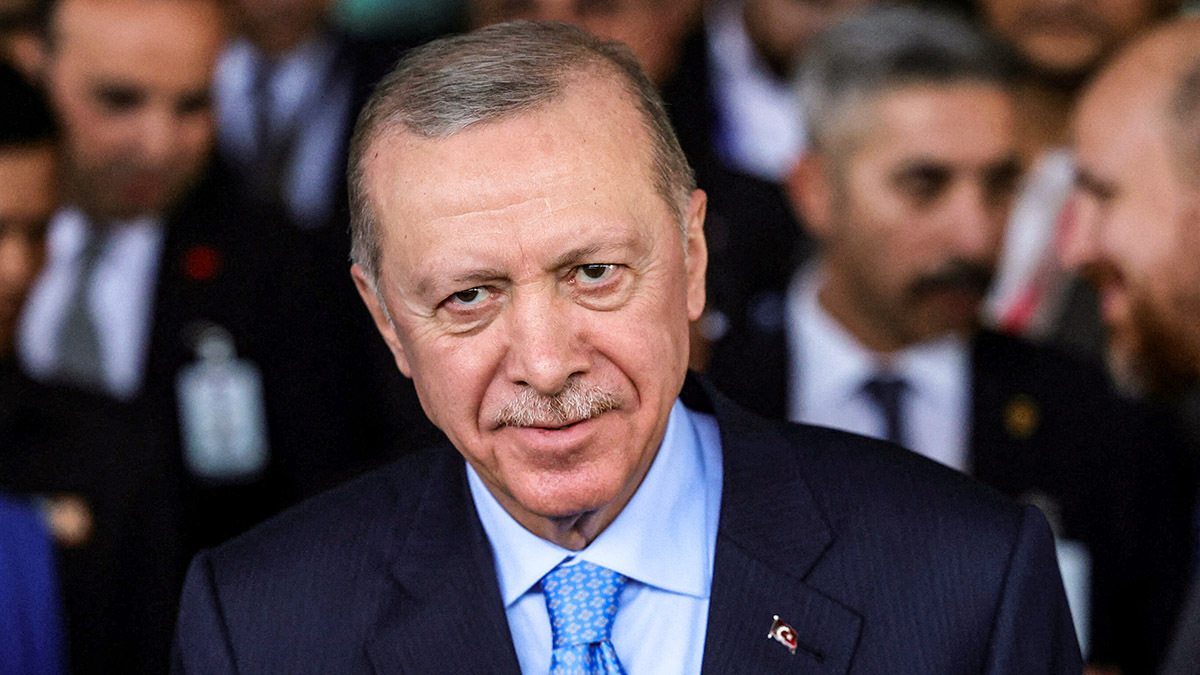
The transition toward ending armed conflict remains marked by acute structural asymmetry. While the PKK officially voted to dissolve, the process remains heavily leader-centric—relying on the political triangle of Devlet Bahçeli, Abdullah Öcalan, and Recep Tayyip Erdoğan through the Presidency of the Republic of Türkiye—without the backing of binding institutional guarantees.
The Turkish state maintains a dual-track strategy: offering symbolic gestures of de-escalation while continuing cross-border military operations and removing pro-Kurdish local officials from office.
The shift toward disarmament: structural transitions of the PKK and YPG
The momentum behind the current process was catalysed in October 2024 by MHP leader Devlet Bahçeli’s proposal to permit Öcalan to address the Grand National Assembly of Türkiye (TBMM) in exchange for the PKK’s dissolution. Following consultations at Ä°mralı prison, Öcalan declared the armed struggle obsolete on 27 February 2025, and an internal dissolution vote passed on 12 May 2025.
Symbolic weapons handovers commenced in July 2025; however, operational units on the ground remain in a state of suspended demobilisation while awaiting political concessions and state legal guarantees.
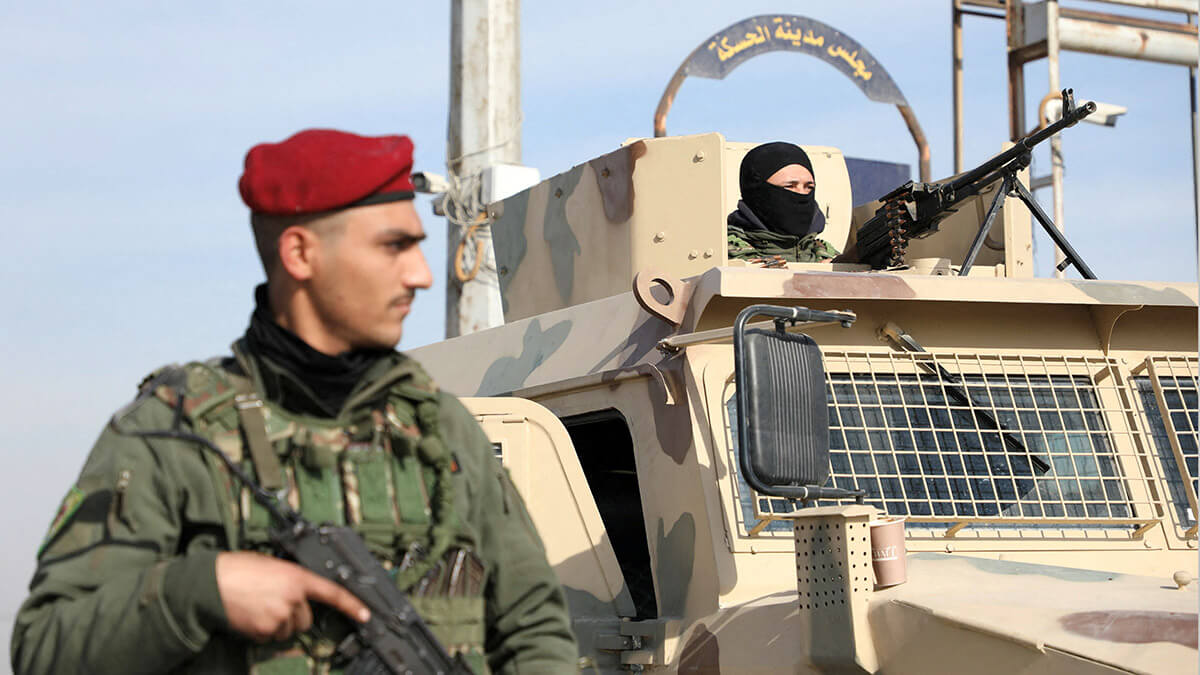
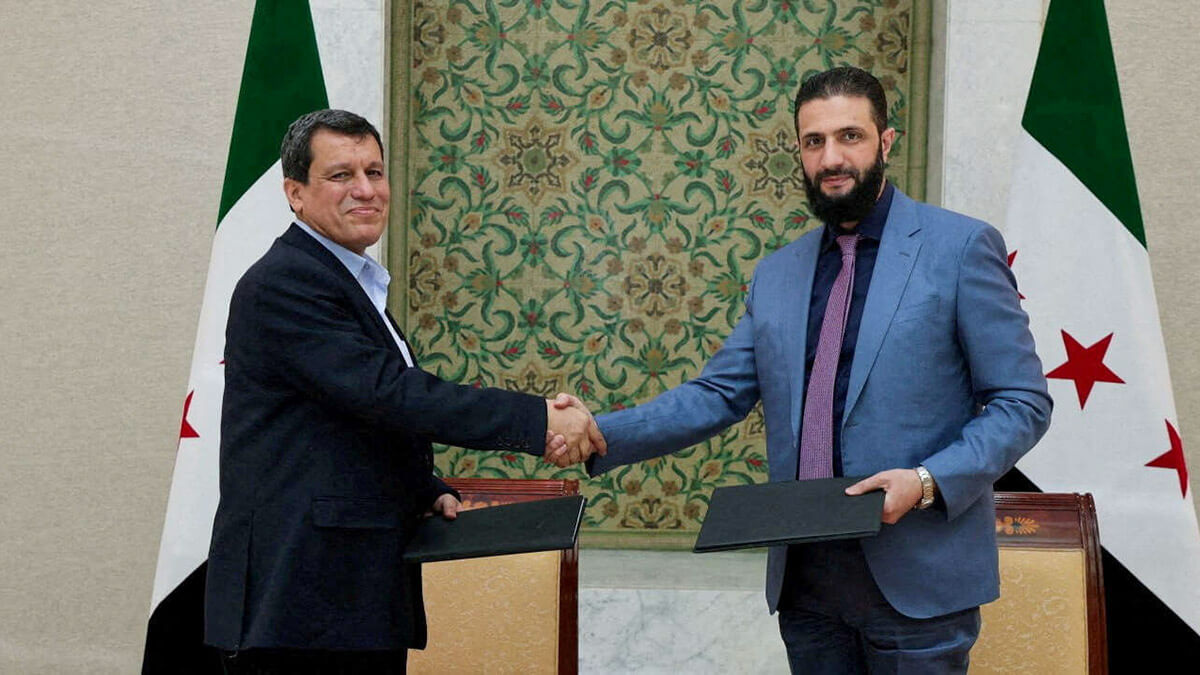
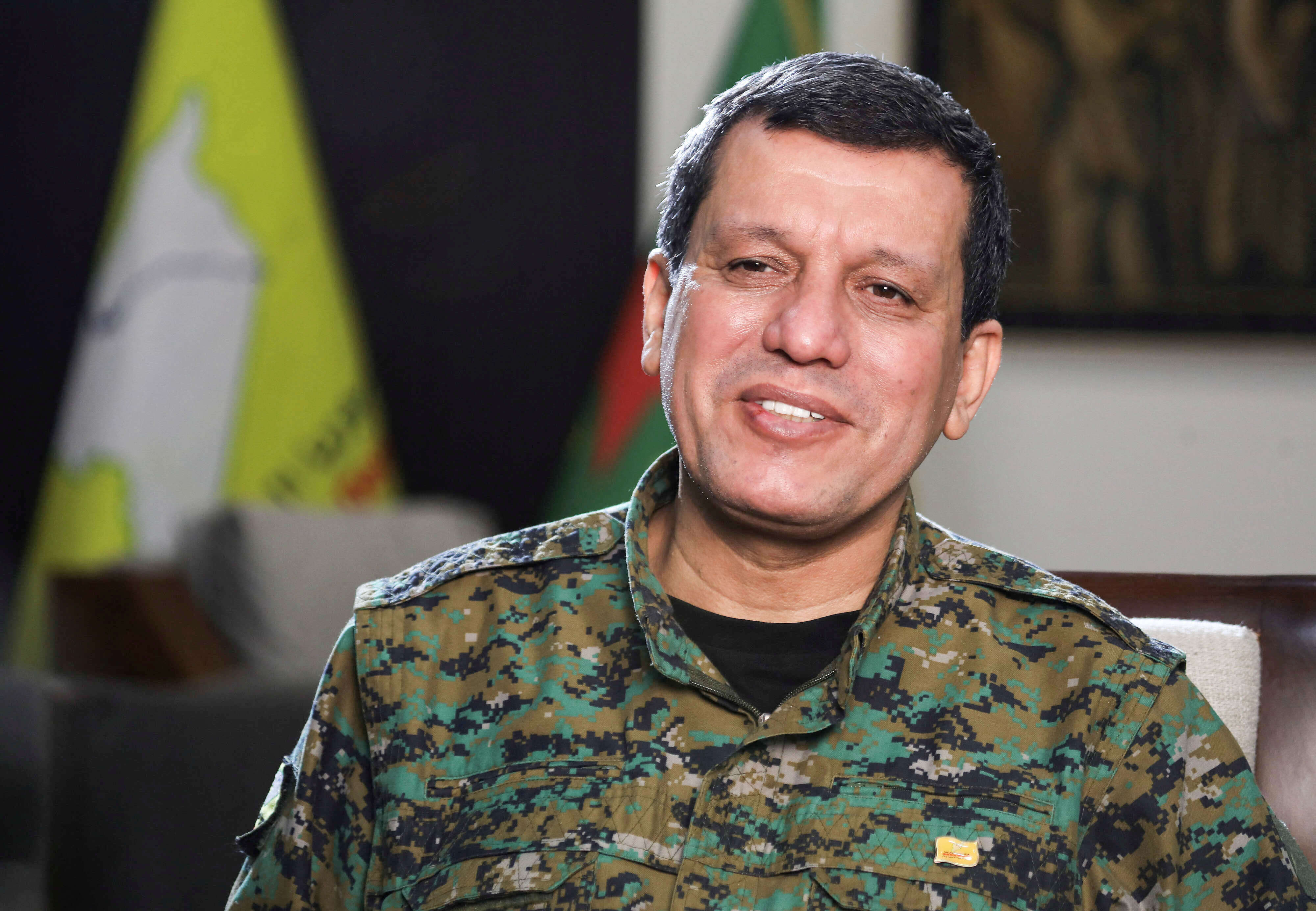
In Syria, regional territorial shifts compelled the Syrian Democratic Forces (SDF) to conclude a Moscow-mediated agreement with the new authorities in Damascus. The accord stipulated integrating SDF units into the restructured Syrian national army, dismantling independent People’s Protection Units (YPG) command structures, and withdrawing non-Syrian PKK cadres.
Although Ankara officially welcomed these measures, Turkish Armed Forces continue to conduct preemptive strikes in northern Syria, citing border security threats.
Ankara institutionalised oversight through the National Commission for Solidarity, Brotherhood, and Democracy. However, the body’s credibility faces sustained criticism from international human rights bodies under the Council of Europe due to the continued detention of opposition leaders like Selahattin DemirtaÅŸ and the replacement of DEM Party mayors with state-appointed trustees.
Furthermore, the Turkish military maintains forward operating bases in northern Iraq, viewing Kurdish withdrawals through a lens of tactical advantage.
Regional expansion: the Iranian front and transnational risks
The conflict’s dynamics have taken on a significant transnational dimension driven by key operational and geopolitical factors:
- The Iranian Kurdish Coalition: Following the formation of the Coalition of Political Forces of Iranian Kurdistan and the subsequent accession of the Komala Party, this unified front—comprising the KDPI, PAK, and the PKK-aligned PJAK—seeks self-determination for Eastern Kurdistan. PJAK’s armed wing, the YRK, operates from fortified logistics positions across the Qandil Mountains.
- US and Israeli strategic engagement: The operational environment reflects sustained military pressure coordinated with the US Department of State and Israeli intelligence, focused on striking command nodes of the Islamic Revolutionary Guard Corps (IRGC) and air defence networks along the Zagros Mountains.
- The dilemma in Erbil: This dynamic places the Kurdistan Regional Government (KRG) in Iraq in a delicate diplomatic position amid pressure to facilitate logistics corridors, carrying direct risks of Iranian retaliation against the autonomous region’s energy infrastructure.
- Turkish security concerns: Ankara regards PJAK as a direct extension of the PKK and fears that establishing a territorial foothold in Iran could spark cross-border nationalist mobilisation within Turkey’s borders.
Institutional fragility and the limits of negotiated peace
The disarmament process and political transition face the challenge of moving beyond high-level leader pacts toward independent, multilateral verification backed by the United Nations (UN).
The durability of non-aggression understandings in 2026 hinges on enacting lasting legislative reforms and restoring regular institutional governance in Kurdish-majority municipalities.
Without a transparent legal framework and verifiable reconciliation measures, demobilisation risks unraveling under the strain of regional conflicts and structural mistrust between the parties.